

Discover the Advantages of Clean Energy for a Sustainable Future
- Save On Solar Now

- Aug 27, 2025
- 3 min read
The world is rapidly shifting towards cleaner and more sustainable energy sources. Renewable energy is no longer just an option; it is becoming a necessity to combat climate change and reduce our dependence on fossil fuels. This transition offers numerous advantages that can benefit the environment, economy, and society as a whole. In this article, we will explore the many benefits of renewable energy and how it can help create a sustainable future for generations to come.
Understanding the Benefits of Renewable Energy
Renewable energy comes from natural sources that are constantly replenished, such as sunlight, wind, water, and geothermal heat. Unlike fossil fuels, these sources do not emit harmful greenhouse gases when generating electricity. Here are some key benefits of renewable energy:
Environmental Protection: Renewable energy significantly reduces carbon emissions, helping to slow down global warming and reduce air pollution.
Energy Security: By diversifying energy sources, countries can reduce their reliance on imported fuels and increase energy independence.
Economic Growth: The renewable energy sector creates jobs in manufacturing, installation, and maintenance, boosting local economies.
Sustainability: Renewable resources are abundant and will not run out, ensuring a long-term energy supply.
Health Benefits: Cleaner air from reduced pollution leads to fewer respiratory and cardiovascular diseases.
For those interested in exploring more about the clean energy benefits, there are many resources available to help understand how switching to renewable energy can be both practical and rewarding.

How Renewable Energy Supports a Sustainable Future
Sustainability means meeting the needs of the present without compromising the ability of future generations to meet their own needs. Renewable energy plays a crucial role in this by:
Reducing Carbon Footprint: Renewable energy sources emit little to no greenhouse gases, which are the primary drivers of climate change.
Preserving Natural Resources: Unlike fossil fuels, renewable energy does not deplete finite resources like coal, oil, or natural gas.
Promoting Energy Efficiency: Many renewable technologies encourage energy-saving practices and innovations.
Supporting Ecosystems: Cleaner energy production helps protect wildlife habitats and reduces water pollution.
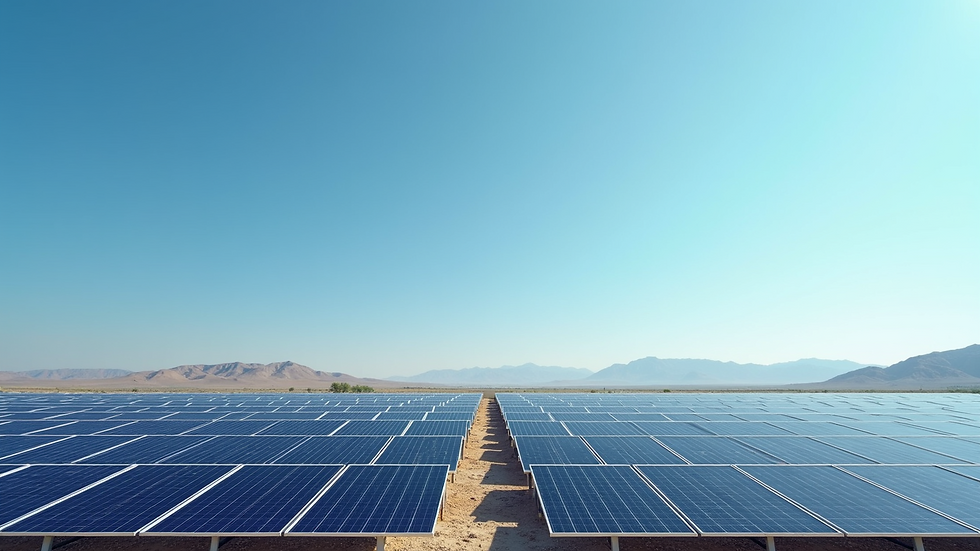
For example, solar farms and wind turbines produce electricity without the harmful byproducts associated with coal-fired power plants. Hydropower uses flowing water to generate energy without burning fuel, and geothermal energy taps into the Earth's heat with minimal environmental impact.

What are the 3 Biggest Pros and 3 Biggest Cons for Renewable Energy?
When considering renewable energy, it is important to weigh both the advantages and challenges. Here are the three biggest pros and cons:
Pros
Environmental Benefits: Renewable energy sources produce little to no pollution, helping to reduce greenhouse gas emissions and combat climate change.
Sustainable Supply: These energy sources are naturally replenished, ensuring a continuous supply without the risk of depletion.
Economic Opportunities: The renewable energy industry creates jobs and stimulates economic growth in manufacturing, installation, and maintenance sectors.
Cons
Intermittency Issues: Solar and wind energy depend on weather conditions and time of day, which can lead to inconsistent power supply.
High Initial Costs: The upfront investment for renewable energy infrastructure can be significant, although costs are decreasing over time.
Land and Resource Use: Large-scale renewable projects may require substantial land or water resources, potentially impacting local ecosystems.
Despite these challenges, technological advancements and smart grid solutions are helping to overcome many of the limitations associated with renewable energy.

Practical Steps to Embrace Renewable Energy
Transitioning to renewable energy can seem daunting, but there are practical steps individuals and businesses can take to make the switch easier:
Conduct an Energy Audit: Understand your current energy consumption and identify areas for improvement.
Invest in Solar Panels: Installing solar panels on rooftops is one of the most accessible ways to generate clean energy.
Consider Wind or Geothermal Options: Depending on location, small wind turbines or geothermal heat pumps can be effective.
Use Energy-Efficient Appliances: Reducing overall energy demand complements renewable energy use.
Explore Incentives and Rebates: Many governments and utilities offer financial incentives to support renewable energy adoption.
Support Renewable Energy Providers: Choose energy suppliers that offer green energy options.
By taking these steps, you can contribute to a cleaner environment and potentially reduce your energy bills.
The Future of Energy is Clean and Renewable
The shift towards renewable energy is not just a trend but a necessary evolution for a sustainable future. As technology improves and costs continue to fall, renewable energy will become more accessible and efficient. Governments, businesses, and individuals all have a role to play in accelerating this transition.
Investing in renewable energy today means cleaner air, a healthier planet, and a more resilient economy tomorrow. Embracing these changes can lead to a brighter, more sustainable future for everyone.
Explore more about the clean energy benefits and how you can be part of this global movement towards sustainability. Together, we can make a difference.

Comments