

Exploring Business Solar Energy Options: Commercial Solar Energy Solutions for Businesses

Switching to solar energy is no longer just a trend; it’s a smart business decision. As energy costs rise and environmental concerns grow, many companies are exploring business solar energy options to reduce expenses and promote sustainability. In this post, I’ll walk you through the essentials of commercial solar energy, how it benefits businesses, and practical steps to get started.
Understanding Business Solar Energy Options
When considering solar energy for your business, it’s important to understand the different options available. Solar technology has evolved, offering a variety of systems tailored to different business needs and budgets.
Types of Solar Systems for Businesses
Rooftop Solar Panels: The most common option, these panels are installed on the roof of your building. They use available space efficiently and generate electricity directly where it’s needed.
Ground-Mounted Solar Arrays: If your property has unused land, ground-mounted systems can be a great choice. They are easier to maintain and can be scaled up more easily.
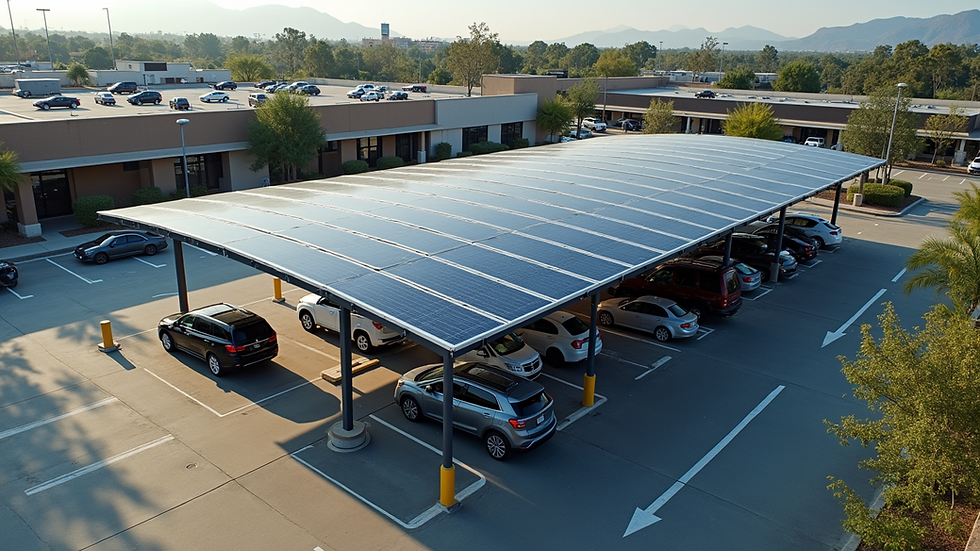
Solar Carports: These structures provide shade for vehicles while generating power. They are ideal for businesses with large parking lots.
Community Solar Programs: For businesses that can’t install panels on-site, joining a community solar project allows you to buy into a shared solar farm.
Benefits of Solar Energy for Businesses
Cost Savings: Solar energy reduces electricity bills significantly. Over time, the savings can cover the initial investment and then some.
Energy Independence: Generating your own power reduces reliance on the grid and protects against rising energy prices.
Environmental Impact: Solar power is clean and renewable, helping businesses reduce their carbon footprint.
Brand Image: Demonstrating commitment to sustainability can attract customers and partners who value green practices.

What does an energy solutions company do?
An energy solutions company plays a crucial role in helping businesses transition to solar power. Their expertise covers everything from initial assessment to installation and maintenance.
Services Provided by Energy Solutions Companies
Site Evaluation: They analyze your property’s solar potential, considering factors like roof condition, shading, and energy consumption.
System Design: Based on the evaluation, they design a solar system tailored to your business’s energy needs and budget.
Permitting and Incentives: Navigating local regulations and securing permits can be complex. Energy companies handle this process and help you access available tax credits and rebates.
Installation: Professional installation ensures your system is safe, efficient, and compliant with standards.
Monitoring and Maintenance: After installation, they provide ongoing support to monitor system performance and perform necessary maintenance.
Working with an energy solutions company simplifies the process and maximizes the benefits of your solar investment.
How to Choose the Right Business Solar Energy Option
Selecting the best solar solution for your business involves several considerations. Here’s a step-by-step approach to help you decide:
1. Assess Your Energy Needs
Review your current electricity usage and peak demand times. This data helps determine the size and type of solar system you need.
2. Evaluate Your Property
Consider roof size, orientation, and shading. If your roof isn’t suitable, explore ground-mounted or carport options.
3. Calculate Financial Impact
Estimate installation costs, potential savings, and payback period. Don’t forget to factor in incentives and tax credits.
4. Research Providers
Look for reputable solar installers with experience in commercial projects. Check reviews and ask for references.
5. Plan for the Future
Think about your business growth and energy needs over the next 10-20 years. Choose a system that can scale or adapt accordingly.
Financing Your Solar Energy Project
One of the biggest hurdles for businesses considering solar is the upfront cost. Fortunately, there are several financing options available:
Purchase: Buying the system outright offers the highest long-term savings but requires significant initial investment.
Leasing: Leasing solar panels reduces upfront costs. You pay a fixed monthly fee and benefit from solar energy without ownership.
Power Purchase Agreements (PPAs): You agree to buy the electricity generated at a set rate, often lower than utility prices, without owning the system.
Loans: Many banks and credit unions offer loans specifically for solar projects, spreading the cost over time.
Incentives and Tax Credits: Federal, state, and local programs can significantly reduce costs. The federal Investment Tax Credit (ITC) currently offers a 30% credit on solar installation costs.
Understanding these options helps you choose the best financial path for your business.
Taking the First Step Toward Solar Energy
Starting your solar journey might seem overwhelming, but breaking it down into manageable steps makes it easier.
Contact a Solar Consultant: A professional can provide a free assessment and answer your questions.
Gather Energy Data: Collect your utility bills and energy usage history.
Explore Incentives: Research available programs in your area.
Request Quotes: Get multiple proposals to compare costs and services.
Plan Installation: Schedule the installation at a convenient time to minimize disruption.
By taking these steps, you’ll be well on your way to enjoying the benefits of solar energy.
Embracing Solar Energy for a Sustainable Future
Switching to solar power is a practical way to reduce energy costs and support environmental goals. With a variety of commercial energy solutions available, businesses can find the right fit for their unique needs. Whether you choose rooftop panels, ground arrays, or solar carports, investing in solar energy is a step toward a cleaner, more affordable energy future.
If you’re ready to explore your options, start by reaching out to a trusted solar provider. The sooner you begin, the sooner you can start saving on energy bills and contributing to a healthier planet.
Comments