

Why is a Signed Insurance Liability Form Necessary to Assess Your Roof for Solar Energy?
- Save On Solar Now

- Feb 21, 2025
- 3 min read
Updated: Feb 22, 2025
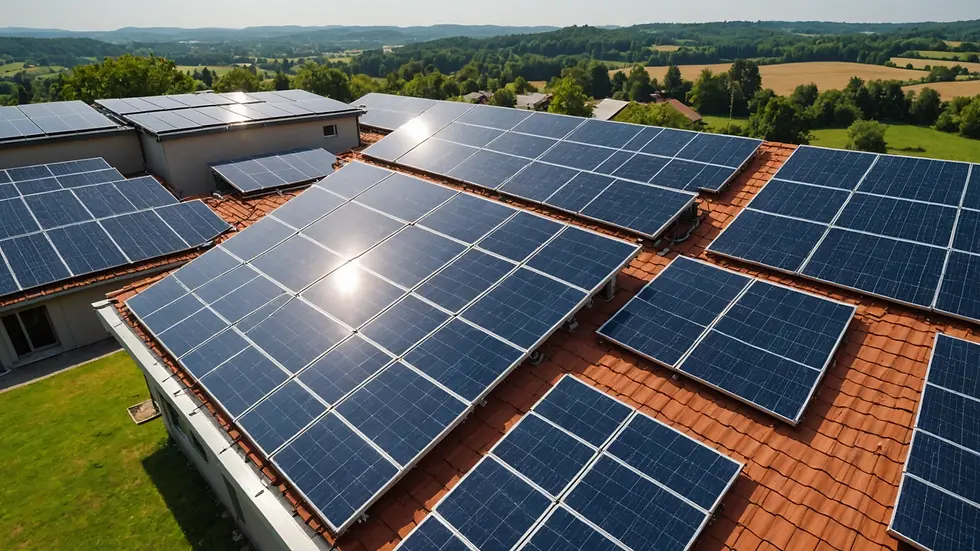
The shift towards solar energy is accelerating among homeowners, fueled by a desire for sustainability and savings on energy bills. However, before installing a solar system, it is critical to determine if your roof is suitable for this addition. A crucial step in this process is obtaining a signed insurance liability form from the homeowner. Understanding the significance of this document can clarify its necessity in your solar installation journey.
Understanding the Risks
Assessing your roof for solar panels involves evaluating various risks. These include inspecting the structural integrity, the age of the roof, and any existing damages that could compromise the solar installation.
A signed insurance liability form safeguards both the homeowner and the solar company. By signing this document, homeowners acknowledge the potential risks associated with evaluating the roof's capacity for solar energy. An example of this is a homeowner learning their roof is too old for solar panels; they need to understand they may be responsible for any expenses related to the necessary repairs before installation.
According to a study by the National Renewable Energy Laboratory, approximately 15% of roofs fail inspections due to structural issues. The liability form ensures homeowners are aware of their responsibility should unforeseen complications arise during the evaluation.

Liability and Legal Protection with Insurance Liability
A signed insurance liability form offers legal protection for all parties involved. In the event of an accident or any unforeseen damage during the inspection process, this document outlines liability, thus reducing the chances of disputes.
For instance, if a solar contractor accidentally damages a roof vent, the liability form clarifies that the contractor is not responsible if the vent’s condition was already compromised. This aspect of risk management is vital in the construction sector, where unexpected challenges often arise.
This form demonstrates the homeowner's commitment to addressing risks carefully and emphasizes the importance of assessments being conducted by certified professionals. It instills confidence in contractors that they are protected legally during their evaluations.
Providing Necessary Documentation
The liability form is not just a precaution; it is often required documentation for solar energy projects. Local governments and permitting agencies may mandate this documentation for the approval of solar installations. By aligning with these regulations, homeowners can confidently proceed with their solar projects without delays.
As interest in solar energy increases, so do regulatory requirements. In many cities, proof of liability coverage is necessary to protect homeowners against unexpected damages during the installation process. This signed form supports homeowners in meeting these regulations, offering peace of mind.
The Role of Insurance Companies
Insurance companies play a critical role in solar energy project evaluations. Before work begins, they typically require homeowners to secure liability insurance. This insurance not only covers the installation but also provides protection for the homeowner against claims arising from property damage or personal injury during evaluations.
Research indicates that eco-friendly homeowners may save up to 20% on their premiums due to their green choices. Therefore, obtaining a signed liability form can positively influence overall insurance costs, making the transition to solar energy more financially manageable.
The Importance of Qualified Assessors
Permits and insurance liability forms ensure assessments are conducted by qualified professionals. Roof structures are complex, and inadequate evaluations can lead to costly errors. Signing a liability form highlights the importance of hiring experienced assessors with the necessary expertise to perform thorough evaluations.
In many regions, contractors need licenses and insurance, ensuring they comply with industry standards. By signing an insurance liability form, homeowners express their commitment to professionalism in their solar projects. This fosters a relationship built on trust, ensuring the work is safe and meets all local codes.
Final Thoughts
A signed insurance liability form is more than just paperwork; it is a vital element in assessing your roof for solar energy systems. This document protects both homeowners and solar contractors by clearly outlining responsibilities and liabilities, addressing legal concerns, and fulfilling regulatory requirements.
As solar energy grows more popular, understanding the implications of liability forms and the risks involved is crucial for homeowners. These documents are essential in ensuring the safety and stability of your solar energy project, leading to a successful move toward renewable energy.


Comments